There’s a lot of noise right now in the retirement planning world. New policy proposals, confusing headlines about dividend yields, market swings that make people want to pull their money out entirely. On this week’s episode of the Bright Wealth Management Show, Matt Dages cut right through it all.
Listen to the full episode here.
Here’s what got covered.
Dividend Stocks: Useful Tool, Not a Silver Bullet
A lot of retirees love the idea of dividend stocks and honestly, it makes sense. You hold the shares, the company pays you a percentage back, money comes in without selling anything. Clean and simple.
Except it’s a bit more complicated than that.
Matt Dages walked through why chasing high dividend yields — the ones promising 9%, 10%, even 12% — can be a red flag rather than a reward. Often those inflated numbers signal a company bleeding value, basically paying out dividends to convince shareholders not to run. The quality dividend payers, your Coca-Colas and Verizons of the world, are typically sitting around 3 to 4%. Solid. But not a standalone income strategy.
The other issue: going heavy on dividends usually means going heavy on utilities, energy, and financial sectors. Which means you’ve probably missed a big chunk of the tech explosion over the last several years. Growth companies don’t pay dividends because they’re pouring profits back into themselves. So while dividend income has its place in a diversified plan, it can’t be all of your eggs in one basket.
Fact or Fiction: Retiring Myths That Could Cost You
This segment was genuinely fun. A few highlights from the myth-busting round:
Timing the market — not just a bad idea, mathematically brutal. To get it right, you have to nail two calls: when to get out and when to get back in. Miss the 30 best trading days over a 50-year span and the damage to your portfolio is staggering. The best days often come right after the worst ones.
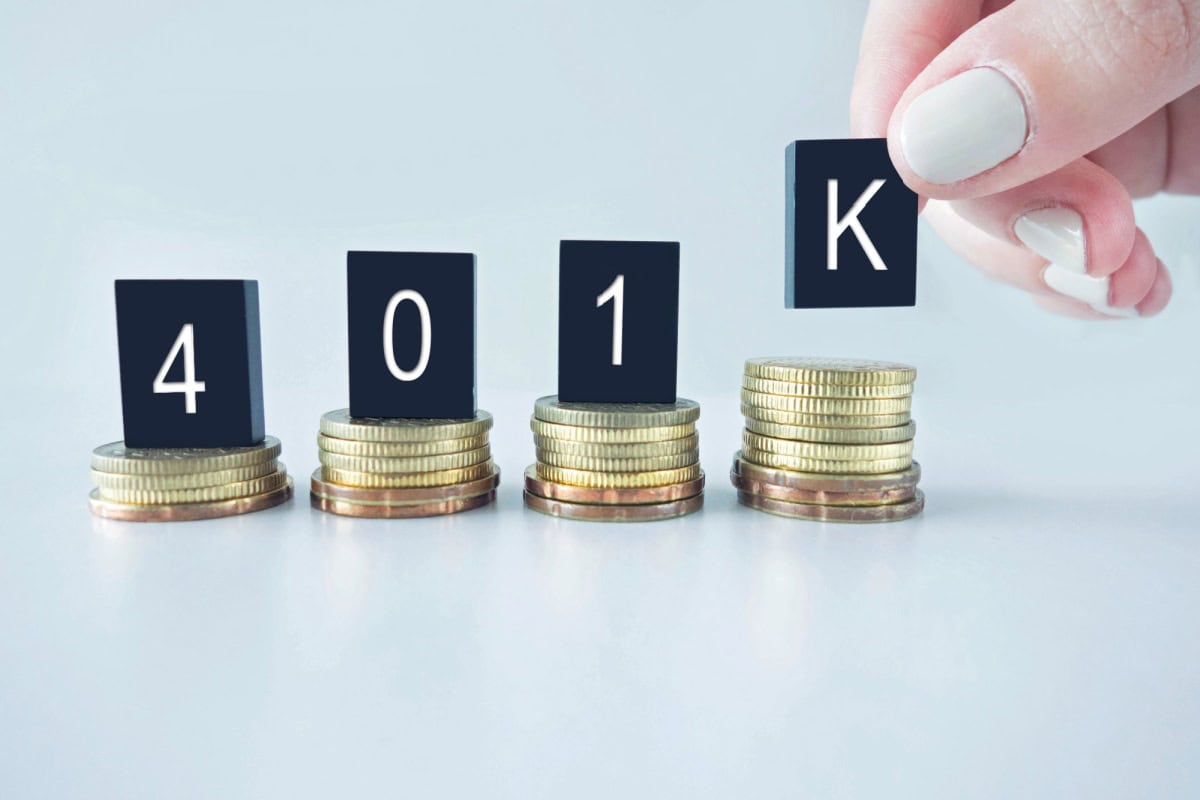
You need $2–3 million to retire — fiction for most people. The average 401(k) balance for someone over 55 is around $250,000. But you don’t need to worry about hitting some arbitrary number. What really matters is knowing exactly what you need for your specific expenses, debts, and goals.
Only US stocks beat inflation — also fiction. Real estate, inflation-protected securities, and certain income strategies all play a role. The one thing that definitely doesn’t beat inflation? Keeping everything in cash.
The Trump 401(k): What It Actually Is:
This is the one that a lot of people have been curious about. The initiative is designed to expand retirement savings access to people who don’t have employer-sponsored plans, think service industry workers, self-employed, people at smaller companies without matching programs. Lower fees, simpler entry points, wider access. For the backbone of the American workforce that has been largely left out of the traditional 401(k) system, it could sincerely be a revolutionary change.
Matt Dages was clear though: new savings vehicles are helpful, but they don’t replace having an actual plan. Knowing which account to pull from first, how to sequence income, when to take Social Security, how to manage the tax hit on pre-tax withdrawals — none of that gets figured out automatically.
So… How Much Income Do You Actually Need?
Most retirees report needing somewhere between $4,000 and $6,000 a month. But that number shifts depending on where you live, what you owe, whether you’re the RV-and-campsite type or the 20-cruises-a-year type. Social Security typically covers only 30–50% of most people’s expenses, which means the gap has to be filled intentionally.
The two retirement costs that catch people most off guard are taxes and medical expenses. Medicare premiums and supplements can run $500–$600 a month for most households, before accounting for any surcharges. Meanwhile, every dollar sitting in a pre-tax account like a 401(k) or traditional IRA is taxable income the moment you withdraw it.
Having a written income plan before you retire — one that maps out exactly where the money comes from, in what order, and what the tax exposure looks like — is the difference between guessing and actually knowing you’re okay.